1. High Pressure Jetters
High pressure water jetting is the most effective and most widely used drain cleaning method for the full spectrum of professional drainage work in Australia, from residential sewer lateral maintenance to large-diameter municipal main cleaning. A jetter uses a high-pressure pump to deliver water through a flexible hose and purpose-designed jetting nozzle at pressures and flow rates sufficient to cut through grease blockages, dislodge silt and debris accumulations, sever root intrusions, and flush cleared material downstream to the next access point. No other drain cleaning technology combines the cleaning thoroughness, application versatility, and operational speed of high-pressure water jetting.
Trailer-Mounted Jetters
Trailer-mounted jetters represent the highest-capacity end of the professional jetter range and are the standard equipment choice for drainage contractors and council maintenance teams with regular commercial and municipal drain cleaning workloads. These units mount a high-pressure pump, a large water tank — typically 1,000 to 4,000 litres — a high-pressure hose reel, and associated controls on a purpose-built trailer that is towed by a suitable vehicle to each job site. The large water capacity of trailer jetters allows extended continuous jetting operations without resupply stops, which is critical for productive commercial and municipal drain cleaning where multiple drain runs need to be cleaned from a single site visit.
Van-Mounted & Ute-Mounted Jetters
Van-mounted and ute-mounted jetters occupy the mid-range of the professional jetter spectrum, combining meaningful pump capacity and water tank volume with a vehicle-integrated form factor that suits contractors who need jetting capability on a daily service van without the logistics of a separate trailer. These units are popular with drainage contractors servicing a mix of residential and light commercial work, where the typical job involves shorter drain runs and more frequent site moves than heavy municipal work. SECA stocks a comprehensive range of vehicle-mounted jetter systems sized and configured for the range of vehicles and work types common in Australian drainage contracting.
Portable Electric Jetters
Portable electric jetters are the most compact and accessible jetter configuration in SECA's range, delivering meaningful high-pressure water jetting capability from a self-contained unit that can be carried by one person to access points that larger vehicle-mounted systems cannot practically reach. These units are particularly useful for indoor drain cleaning, for jobs in basements and underground carparks, for roof-mounted drainage system maintenance, and for any situation where access constraints make a larger system impractical. Portable jetters have become an increasingly standard tool in the professional plumber's equipment inventory as their pump technology has matured and their performance has improved significantly in recent years.
Pump Technology & Performance
Pump technology is the performance heart of any jetter system, and the specification of the pump — its maximum operating pressure, its flow rate, its duty cycle rating, and its drive system — is the primary determinant of what jobs a jetter can effectively tackle. Professional drain cleaning in the smaller pipe sizes common in residential and light commercial work typically requires pressures in the 2,000 to 3,500 PSI range with flow rates of 15 to 30 litres per minute. Commercial and municipal main cleaning in larger-diameter pipes requires higher flow rates — 40 to 80 litres per minute or more — to generate the turbulent flushing action that effectively removes debris from larger pipe cross-sections.
Hose Reel Design
Hose reel design and hose management are practical operational factors that significantly influence the productivity and fatigue levels of jetter operators over the course of a working day. Manual hose reels require the operator to physically pull hose from the reel as the nozzle advances into the pipe and rewind it under tension as the hose is retrieved — a physically demanding process that becomes progressively more tiring across multiple drain runs. Motorised or auto-rewind hose reels substantially reduce the physical effort of hose management and are worth serious consideration for operators with high daily jetting volumes or in applications involving long hose runs.
SECA's jetter range spans the full spectrum from entry-level portable units to high-capacity trailer systems, and every system in our range is stocked with replacement hoses, nozzles, fittings, and pump service parts so that the investment you make in a SECA jetter is supported by consistent accessory and consumable availability throughout the working life of the machine. Our technical team can specify the right jetter configuration for your work type, vehicle, and budget, and we provide operational guidance for new jetter operators to ensure you get productive results from your equipment from day one.
2. Drain Cleaning Machines
Electric drain cleaning machines — commonly known as electric eels, drain snakes, or rotary drain cleaners — are the standard tool for mechanically clearing blocked drains in the small to medium diameter range where high-pressure jetting may not be appropriate or available. These machines use a motor-driven rotating flexible cable, fitted with a cutting head or auger appropriate to the blockage type, to physically break up, cut through, or retrieve the obstruction in the drain. They are reliable, effective, widely understood by plumbers and drainage contractors, and remain the go-to tool for a significant proportion of the residential and light commercial drain clearance work performed in Australia every day.
Sectional Drain Cleaning Machines
Sectional drain cleaning machines use a series of short cable sections that are connected together as the machine advances into the drain, building cable length progressively rather than feeding from a single large drum. This sectional approach offers practical advantages for jobs in confined spaces where a large drum-based machine would be awkward to position, and for transporting the machine in a service van without the bulk of a full drum load. Sectional machines are popular with residential plumbing contractors who encounter a wide variety of drain access situations and need an adaptable tool that works well in tight spaces.
Continuous-Cable Drum Machines
Continuous-cable drum machines carry a full cable length on a single drum and are generally preferred for heavier-duty commercial and municipal drain cleaning work where longer cable runs are required and the operational efficiency of not having to connect and disconnect cable sections at frequent intervals matters. The larger drum machines in SECA's range can carry 30 to 60 metres or more of cable, providing the reach needed for inspection and clearance of longer drain runs from a single access point without interruption.
Cutting Head Selection
Cutting head selection is critical to the effectiveness of an electric drain cleaning machine on any given blockage type. Different blockage causes require different cutting head geometries — a tight spiral auger is effective for retrieving solid objects and breaking up soft blockages, while a heavy-duty cutter head with hardened steel blades is required for root cutting, and a grease cutter with wide, aggressive blades is the right tool for severe grease accumulations. SECA stocks a comprehensive range of cutting heads for all the drain cleaning machines we supply, and our team can advise on the correct head selection for the blockage types most common in your work.
Cable Quality & Safety
Cable quality and maintenance are factors that significantly influence both the performance and the safety of electric drain cleaning machine operation. Worn, kinked, or damaged cable can kink and break during operation, potentially leaving cable sections in the drain and creating a more complex recovery problem than the original blockage. SECA supplies replacement cable for all the drain cleaning machines in our range and can advise on the cable replacement intervals appropriate for the intensity of use and pipe types in your operation.
Safety features in electric drain cleaning machines have improved considerably in recent generations of equipment, with automatic cable feed and retrieval controls, operator protection guards, cable break detection, and motor overload protection now standard on quality commercial machines. These safety features matter in professional drainage work where the physical demands and operational hazards of rotating cable equipment are real and deserve to be managed seriously. SECA stocks machines from manufacturers who invest in operator safety as a design priority, not as an afterthought.
Combination approach — using an electric drain cleaning machine to break up and retrieve the bulk of a blockage followed by a high-pressure jetter to flush residual debris and clean the pipe walls — delivers better results than either technology alone on many common blockage types, particularly heavy grease accumulations with embedded solid material and root intrusions in pipes with significant debris accumulation. Many professional drainage contractors carry both technologies on their service vehicles for this reason, and SECA can supply both to provide a complete drain clearance capability across the full range of blockage types and pipe sizes encountered in professional Australian drainage work.
3. Nozzles & Hoses
Jetting nozzles are the component that most directly determines the effectiveness of a high-pressure water jetting operation for any specific application, and the range of nozzle designs available from SECA reflects the extraordinary diversity of drain cleaning tasks that professional drainage operators encounter. Different nozzle configurations direct the high-pressure water flow in fundamentally different patterns — forwards, backwards, radially, or in combinations — and matching the nozzle to the application is as important as having a capable jetter pump behind it.
Penetrating Nozzles
Penetrating nozzles direct a concentrated forward jet that cuts through and penetrates blockages, breaking up compacted silt and debris accumulations, driving through grease plugs, and advancing through partial blockages to create a flow channel before wider cleaning nozzles are deployed. These are typically the first nozzle deployed when entering a blocked drain, used to establish access through the obstruction before transitioning to a nozzle configuration better suited to thorough pipe wall cleaning.
Flushing & Cleaning Nozzles
Flushing and cleaning nozzles use a combination of forward and rear-angled jets to advance through the pipe under their own thrust — the rear jets propel the nozzle forward as they flush debris backward toward the access point — while simultaneously cleaning the pipe wall surface with radial or angled spray. These are the workhorses of routine drain maintenance jetting, used for clearing light to moderate blockages, removing silt and soft debris accumulations, and maintaining clean pipe wall surfaces in drainage networks on a regular maintenance schedule.
Root Cutting Nozzles
Root cutting nozzles incorporate rotating or chain-whip elements that use the energy of the high-pressure water stream to spin cutting edges or flail chains against root intrusions, severing roots at the pipe wall surface and fragmenting them into pieces small enough to flush downstream. Root intrusion is one of the most common and damaging drain defects in Australian drainage infrastructure, particularly in older clay and concrete pipe systems, and effective root cutting nozzles are an essential part of any professional drain cleaning operation's toolkit.
Desilting & Heavy Debris Nozzles
Desilting and heavy debris nozzles are configured for the removal of heavy silt, sand, gravel, and debris accumulations from larger-diameter pipes and box culverts, using high-flow, high-angle water jets to agitate and suspend settled material and create the turbulent flushing action needed to move heavy particles along the pipe to the next access point. These nozzles are commonly used by council maintenance teams cleaning stormwater systems after major rainfall events and in industrial drainage applications where process water carries heavy suspended solids.
Jetting Hoses
Jetting hose specification is as important to jetting system performance as nozzle selection, because a hose that is undersized for the pump's flow rate, unable to withstand the pump's maximum operating pressure, or constructed from materials unsuited to the chemical environment of the drain being cleaned will limit system performance, fail prematurely, or create safety hazards for the operator. SECA stocks a comprehensive range of jetting hoses in the pressure ratings, internal diameters, and lengths required for the full range of professional drain cleaning applications, and our team can advise on the correct hose specification for any pump, pipe size, and application combination.
Hose construction quality — the materials of the inner tube, the reinforcement layers, and the outer jacket, as well as the quality of the end fittings and the integrity of the crimping — determines both the service life of the hose and its safety margin under the pressure cycling that occurs during normal jetting operation. SECA supplies hoses that meet or exceed the pressure rating requirements of the pumps they are used with, constructed from materials appropriate to the chemical exposure of professional drainage environments, and fitted with quality fittings that maintain integrity across the thousands of connection and disconnection cycles that a working hose undergoes over its service life.
Nozzle and hose maintenance — regular inspection for wear, damage, blocked ports, and fitting integrity — is essential for maintaining both the performance and the safety of a high-pressure jetting system. Worn nozzle ports deliver suboptimal spray patterns that reduce cleaning effectiveness, and damaged hoses operating at high pressure are a genuine safety hazard for the operator. SECA provides replacement nozzles and hoses for all the jetting systems in our range, and our team can advise on inspection and replacement intervals appropriate for the intensity of use and the specific operating conditions of your drainage work.
Mechanical blockage removal tools complement high-pressure jetting and electric drain cleaning machines by providing a range of specialist capabilities for retrieving solid objects, removing specific types of obstruction, and accessing pipes and access points that other cleaning methods cannot reach effectively. A well-equipped drainage operation carries a selection of these tools to handle the full diversity of blockage types and pipe access situations encountered in professional drainage work, rather than attempting to address every blockage with a single technology that is well-suited to some situations but inappropriate for others.
Drain Rods & Plungers
Drain rods and plungers remain among the most practical and widely carried tools for initial blockage investigation and clearance of simple soft blockages in accessible drains. While they lack the power and reach of mechanical and water-based cleaning methods, drain rods allow rapid manual probing of blocked drains, identification of the approximate blockage location, and clearance of soft organic blockages in toilet pans, floor wastes, and other easily accessible fixture traps without the setup time of more complex equipment. Every professional drainage operator should carry a basic set of drain rods alongside their more sophisticated equipment for these common, straightforward applications.
Root Saw & Cutting Blades
Root saw and root cutting blades for use with drain cleaning machine cables are specialist cutting tools for mechanically severing root intrusions in pipes where high-pressure root cutting nozzles are not available or appropriate. These cutting heads use hardened steel saw-tooth or spiral blade configurations to cut through root masses and retrieve root fragments from the pipe, and they are particularly effective in smaller-diameter pipes where the high-pressure nozzle technology needed for hydraulic root cutting may not be achievable with the available equipment. SECA stocks root cutting accessories for the drain cleaning machines in our range in the diameters appropriate for the common residential and commercial pipe sizes encountered in Australian drainage work.
Retrieval Tools
Retrieval tools for recovering foreign objects from drains — children's toys, displaced pipe fittings, construction debris, dropped tools, and the wide variety of other items that find their way into drainage systems — are a practical necessity for drainage contractors who regularly encounter obstructions that cannot be broken up or flushed away and must be physically extracted. Retrieval nozzles with extending grabber claws, reverse-thread augers that grip and withdraw objects rather than pushing them deeper, and flexible retrieval arms with mirror and light attachments for visual guidance are all part of a comprehensive blockage removal toolkit that SECA can supply to your specification.
Manhole & Access Chamber Cleaning Equipment
Manhole and access chamber cleaning equipment — long-handled scoops, vacuum excavation connections, and specialised cleaning tools for removing silt and debris from inspection chambers, sumps, and pit bottoms — is essential for maintaining the access infrastructure of drainage networks in good working order. Access chambers that are allowed to accumulate silt and debris become progressively more difficult to work in and less effective in their function of providing access for inspection and maintenance equipment. SECA supplies the manual and mechanical chamber cleaning tools used by council maintenance teams and drainage contractors for routine access chamber maintenance.
Hydro Excavation Accessories
Hydro excavation and vacuum excavation accessories allow high-pressure jetters to be used in combination with vacuum recovery equipment for the controlled removal of material from blocked access chambers, silt traps, grease interceptors, and other drainage structures where the material being removed cannot simply be flushed downstream. The combination of high-pressure water to break up and fluidise compacted material with vacuum recovery to remove it from the drainage structure is a highly effective and increasingly common approach for maintenance of drainage infrastructure components where conventional flushing is not appropriate.
Grease Trap & Interceptor Maintenance
Specialist tools for grease trap and interceptor maintenance — including long-handled removal scoops, pump-out connections, and grease-specific chemical treatment dispensers — address one of the most time-consuming and unpleasant routine maintenance tasks in commercial drainage work. Grease traps in commercial kitchen drainage systems require regular inspection and cleanout to maintain their effectiveness and comply with trade waste agreement requirements, and having the right specialised tools for this work significantly reduces the time and effort the task requires. SECA supplies the grease trap maintenance tools and associated products used by drainage contractors servicing commercial kitchen and food processing facility drainage systems across Australia.
5. Maintenance Programs
Planned preventive maintenance programmes for drainage infrastructure consistently deliver lower total maintenance costs, fewer emergency incidents, better regulatory compliance outcomes, and longer infrastructure service lives than reactive maintenance approaches — and the evidence for this across Australian drainage operations is substantial and well-documented. The logic is straightforward: a drain that is inspected and cleaned on a planned schedule based on its actual condition and usage characteristics will not block, collapse, or cause an environmental incident between maintenance visits, whereas a drain that is serviced only when it fails will fail at the worst possible time, in the worst possible way, and at the highest possible cost to rectify.
Programme Specification
SECA works with drainage contractors, councils, and industrial facilities operators to develop maintenance programme specifications that match the cleaning equipment, nozzle types, inspection frequency, and documentation requirements to the actual characteristics of the drainage network being maintained. A residential drainage maintenance programme for a body corporate property portfolio looks very different from a municipal stormwater maintenance programme for a suburban drainage catchment, and both look different from a preventive maintenance programme for a food processing facility's trade waste drainage infrastructure. SECA brings product knowledge and practical experience to the programme specification process, helping clients build maintenance approaches that are both operationally effective and cost-efficient.
Frequency Determination
Frequency determination for planned maintenance of drainage assets should be based on the actual characteristics and performance history of each pipe or structure rather than on uniform time intervals applied across the entire network. Pipes in high-grease commercial kitchen drainage systems may require cleaning monthly. Stormwater gross pollutant traps in high-debris catchments may require quarterly inspection and cleanout. Residential sewer laterals in areas with established trees near drain lines may benefit from annual root cutting and jetting. Effective maintenance programme design assigns maintenance frequencies to individual assets based on their specific risk profile and cleaning requirements, directing resources where they deliver the greatest preventive value.
Documentation & Record-Keeping
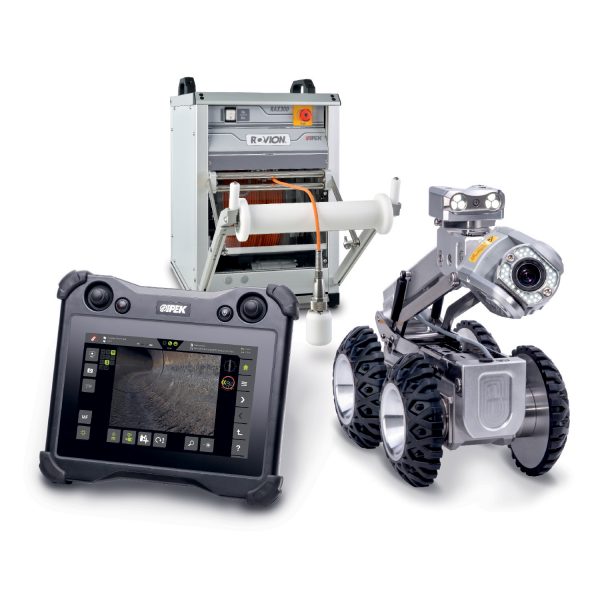
Documentation and record-keeping are integral components of a professionally managed drainage maintenance programme, providing the evidence of maintenance activity that regulators, insurers, and asset owners increasingly require. Maintenance records that document what was done, when it was done, what equipment and methods were used, and what the drain condition was before and after maintenance provide protection against liability claims, demonstrate compliance with regulatory maintenance obligations, and create the asset condition history that makes future maintenance planning progressively more accurate and evidence-based. SECA's push camera range integrates with maintenance documentation workflows to add visual inspection records to the written maintenance log for each drain access event.
Equipment Specification
Equipment specification for maintenance programmes requires careful matching of the cleaning capability of the selected equipment to the pipe sizes, blockage types, and production rates required by the maintenance schedule. A maintenance programme that requires cleaning 500 metres of 100mm residential sewer lateral per day needs different equipment than a programme requiring quarterly cleaning of 200mm stormwater mains in a commercial precinct. SECA helps maintenance programme operators specify the right jetter capacity, hose reel configuration, nozzle range, and ancillary equipment for the specific production demands of their programme, ensuring that the equipment delivers the cleaning performance the programme requires at a sustainable pace for the operators using it.
Training & Competency
Training and competency development for maintenance programme operators is an area where SECA can add value beyond equipment supply. Jetter operation and drain cleaning machine use involve real safety hazards — high-pressure water injuries, cable entanglement risks, confined space hazards near drainage access points, and chemical exposure from drain cleaning agents — that require operators to be properly trained and appropriately equipped with personal protective equipment. SECA provides operational guidance and safety information for all the drain cleaning equipment we supply, and we can connect maintenance programme operators with training providers offering formal drain cleaning equipment operator training for programmes where formal competency documentation is required.
Performance Monitoring
Performance monitoring and programme adjustment are ongoing activities in a well-managed drainage maintenance programme, using the data collected during inspection and cleaning activities to identify drains that are performing better or worse than the programme specification assumes and adjusting maintenance frequencies and methods accordingly. A drain that is consistently found to be in excellent condition at its scheduled maintenance visit may not need that frequency of attention. A drain that regularly blocks between maintenance visits clearly needs a different approach. SECA supports maintenance programme clients in developing the monitoring frameworks and decision criteria that make this adaptive management of programme performance practical and effective.
6. Industrial Applications
Industrial drainage systems present drain cleaning challenges that differ substantially from residential and municipal applications in their scale, the nature of the materials they carry, the regulatory environment governing their operation, and the consequences of failure. Food processing facilities, chemical plants, mining operations, manufacturing facilities, and large commercial kitchens all generate drainage streams that contain materials — fats, oils, grease, chemical residues, heavy suspended solids, and process water with specialised characteristics — that place far higher demands on drain cleaning equipment than domestic sewage does. SECA supplies the professional drain cleaning equipment that industrial drainage operators need to maintain their systems effectively and in compliance with their regulatory obligations.
Food Processing & Commercial Kitchen Drainage
Food processing and commercial kitchen drainage is one of the most demanding industrial drain cleaning applications in the Australian market, characterised by very high grease loading in drainage streams, frequent blockage events if maintenance is not properly managed, and strict regulatory requirements under trade waste agreements with water utilities. Kitchens generating high volumes of cooking grease require regular high-temperature jetting with appropriate degreasing agents to prevent grease accumulation from progressing to blockage, and grease interceptors require frequent inspection and pump-out. SECA supplies the high-pressure jetters, specialist grease-cutting nozzles, degreasing chemical injection systems, and grease trap maintenance equipment that commercial kitchen and food processing drainage maintenance requires.
Mining & Resources Sector
Mining and resources sector drainage infrastructure is subject to some of the most extreme operating conditions encountered in any industrial drainage application — highly abrasive mine water, large solid particle loads from process water streams, aggressive chemical environments from mineral processing operations, and the logistical challenges of remote site operations where equipment reliability and parts availability are critical. SECA supplies heavy-duty drain cleaning equipment with the abrasion resistance, chemical compatibility, and durability characteristics required for mining sector drainage work, and our national supply capability ensures that replacement hoses, nozzles, and pump service parts reach remote mining operations without the delays that can result from dealing with suppliers without robust national logistics capability.
Manufacturing Facility Drainage
Manufacturing facility drainage maintenance encompasses a wide range of drainage system types — production floor drains handling process water and solids, coolant and cutting fluid collection systems, chemical waste drains requiring compatibility with specific aggressive media, and stormwater systems managing industrial runoff. The diversity of drainage stream characteristics in manufacturing environments requires drain cleaning equipment with broad capability and the ability to be configured with the nozzles, hoses, and chemical injection systems appropriate to each specific drainage system type. SECA works with manufacturing facilities maintenance teams to specify the drain cleaning equipment and consumable products suited to the range of drainage systems in their facility.
Petrochemical & Chemical Processing
Petrochemical and chemical processing facility drainage presents specialised challenges related to the chemical compatibility of drain cleaning equipment components with the process chemicals, solvents, and waste streams present in these facilities. Standard jetting hose materials, nozzle body alloys, and pump seals may not be chemically compatible with all industrial drainage streams, and specifying equipment with appropriate chemical resistance is essential for both equipment longevity and operator safety. SECA can specify jetting hoses, nozzle bodies, and pump components in materials with enhanced chemical resistance for clients with aggressive drainage stream environments.
Stormwater & Environmental Compliance
Stormwater and environmental compliance drainage maintenance for industrial facilities is increasingly important as environmental regulators tighten requirements for the management of industrial stormwater and the prevention of pollution incidents from drainage infrastructure failures. Industrial facilities operating under environmental protection licences, site environmental management plans, or trade waste agreements have specific maintenance obligations for their stormwater and drainage infrastructure, and demonstrating compliance with these obligations requires documented maintenance activity. SECA supplies the drain cleaning equipment and inspection cameras that industrial facilities use to maintain their drainage infrastructure to the standard their regulatory obligations require, and we can help facilities maintenance teams develop the documentation frameworks that demonstrate compliance to regulators.
Large-Diameter Industrial Drain Cleaning
Large-diameter industrial drain cleaning — pipes of 200mm and above in process water systems, stormwater mains, and industrial drainage trunks — requires jetter systems with the high flow rates and nozzle configurations appropriate to effectively clean larger pipe cross-sections. Cleaning a 300mm industrial stormwater pipe requires fundamentally different jetter capacity and nozzle selection than cleaning a 100mm sewer lateral, and the equipment needs to be specified accordingly. SECA's high-capacity jetter range includes systems with the pump performance needed for effective large-diameter industrial drain cleaning, and our technical team can specify the complete system — pump, hose, nozzle, and access equipment — appropriate for the specific pipe sizes and materials in your industrial drainage infrastructure.
7. Why Quality Equipment Matters
The true cost of drain cleaning equipment is not its purchase price — it is its total cost of ownership across its working life, which encompasses purchase price, operating costs, maintenance and repair costs, downtime costs when equipment fails, and the cost of suboptimal job outcomes when equipment is not matched to the application or is not performing at its designed capability. Low-quality drain cleaning equipment has a lower purchase price than professional-grade alternatives, but it reliably delivers higher total costs when all of these factors are properly accounted for. Understanding this distinction is fundamental to making sound equipment purchasing decisions for a professional drainage operation.
Reliability in the Field
Reliability in the field is the quality characteristic that most directly separates professional-grade drain cleaning equipment from lower-quality alternatives, and it is the characteristic that matters most when a drainage contractor is on a job site with a blocked drain, a client waiting, and no fallback option if the equipment fails. A jetter pump that cavitates under load, a drain cleaning machine cable that kinks and breaks under the torque of a root blockage, or a hose fitting that fails at operating pressure are not just inconveniences — they are productivity losses, potential safety incidents, and damage to the professional reputation of the contractor who is seen to be struggling with unreliable equipment. SECA's product selection process prioritises field reliability above all other criteria.
Operator Safety
Operator safety is directly influenced by equipment quality in ways that are not always obvious when comparing specifications on paper. High-pressure jetting at 3,000 PSI with a hose rated to 4,000 PSI has a very different safety profile from the same operation with a hose that is technically rated to 3,200 PSI but manufactured to tolerances that make that rating optimistic. Drain cleaning machine cables that are worn beyond their safe service life introduce entanglement and breakage risks that properly maintained, adequately specified replacement cables do not. SECA supplies equipment that meets professional safety standards and supports our clients in maintaining their equipment to the condition those standards require.
Job Quality Outcomes
Job quality outcomes — the thoroughness of the blockage clearance, the cleanliness of the pipe after jetting, the completeness of the root removal — are directly influenced by equipment capability and condition. A jetter with adequate pump capacity to reach the required operating pressure and flow rate in the target pipe, fitted with the correct nozzle for the blockage type and pipe diameter, will produce better cleaning results in less time than an underpowered or incorrectly equipped system. Better job quality outcomes mean fewer callbacks, more satisfied clients, and a professional reputation that builds referral business and supports premium pricing — tangible commercial benefits that flow directly from equipment investment.
Equipment Longevity
Equipment longevity — the number of years and the volume of work that a drain cleaning machine or jetter system delivers before requiring major overhaul or replacement — is a direct function of the quality of materials and construction used in its manufacture and the quality of maintenance it receives throughout its service life. Professional-grade drain cleaning equipment from reputable manufacturers, properly maintained and operated within its rated capacity, routinely delivers working lives of ten to fifteen years or more in professional drainage operations. Budget equipment often begins requiring significant repair or replacement within two to three years of heavy professional use, making the total cost of ownership comparison with quality equipment far less favourable than the initial price difference suggests.
Productivity Advantages
Productivity advantages from quality equipment compound over time in ways that significantly influence the profitability of a drainage contracting operation. A jetter that clears a drain in two passes instead of four because it has adequate pump capacity and the right nozzle is not just saving time on one job — it is saving time on every similar job across thousands of service calls over the life of the machine. A drain cleaning machine that advances smoothly through a root blockage in minutes rather than struggling for half an hour is delivering a productivity advantage that, multiplied across the frequency of root blockage calls in a busy drainage operation, represents a very material difference in daily job throughput and annual revenue capacity.
Manufacturer Support & Parts Availability
Manufacturer support and parts availability are quality factors that are invisible at the point of purchase but critically important over the operational life of professional drain cleaning equipment. A jetter pump that fails outside its warranty period is a manageable situation if replacement pump components are readily available from a local supplier with technical knowledge of the machine — it is a serious operational disruption if the pump is an obscure import with no local parts support and a two-month overseas shipping lead time for replacement components. SECA stocks spare parts and consumables for all the drain cleaning equipment we supply, and we maintain relationships with our manufacturer partners that give us access to technical support and parts supply that keeps our clients' equipment operational.
Investing in quality drain cleaning equipment from a specialist supplier like SECA is one of the most commercially sound decisions a professional drainage operator can make, and the clients who have made this decision consistently report that the performance, reliability, and support they receive from quality equipment and a specialist supplier repay the investment many times over across the working life of the equipment. We invite you to contact SECA to discuss your drain cleaning equipment requirements — whatever the scale and nature of your operation, we have the equipment, the knowledge, and the support infrastructure to ensure you are equipped to work at your best, every day.